
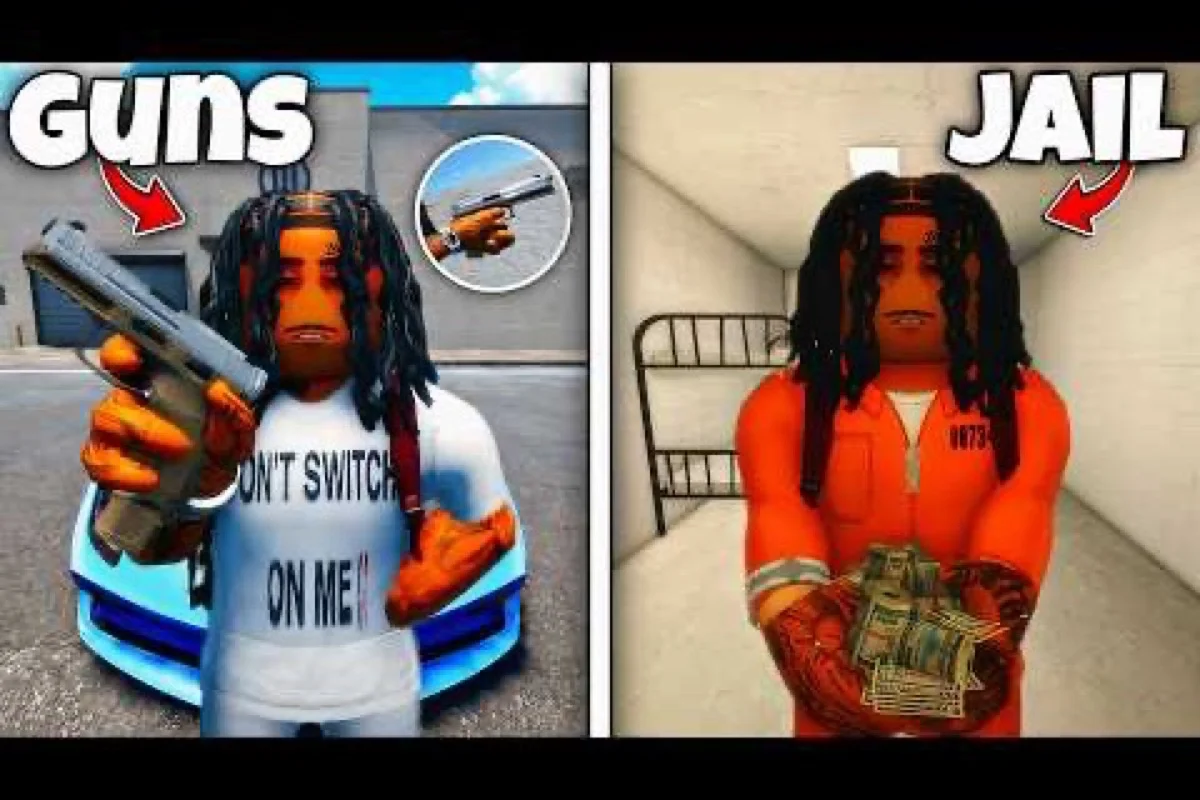
A THA BRONX 3 arrest can end in a quick jail timer or a more consequential courtroom scene, so understanding the wanted system helps you react before your freedom disappears. Learn the warning signs, the role of the judge, and the practical choices that shape what happens next.
How THA BRONX 3 Arrest and Wanted Levels Work
The THA BRONX 3 arrest system connects criminal activity, police attention, a wanted status, and confinement. The important distinction is that being wanted does not always produce the same result: some situations lead directly to a short THA BRONX 3 jail period, while others take you through the broader THA BRONX 3 court process. That makes the wanted meter more than a simple alert icon.
Reading the Wanted System
A wanted indicator tells you that police are actively looking for your character. The exact colors, icons, and thresholds can reflect the current game version, so players should treat visual examples as a quick reference rather than assume every icon has a permanent meaning. A rising level generally means a more urgent response, while a cleared indicator confirms that the search has ended.
| Game state | What it usually signals | Immediate priority |
|---|---|---|
| No wanted status | Police are not actively pursuing you | Continue normal activity |
| First alert | A minor response is underway | Break line of sight and move away from officers |
| Higher alert | Patrols are expanding the search | Avoid vehicles, weapons, and obvious crowds |
| Arrest completed | Your character is being taken into custody | Stop resisting and prepare for the next stage |
| Status cleared | The search has ended | Resume activity away from the scene |
This table describes the THA BRONX 3 wanted flow at a functional level, not a guaranteed list of numerical thresholds. The public Roblox page for THA BRONX 3’s official game page identifies the experience as a 30-player server, so witnesses and nearby officers can make the early stages especially easy to escalate.
What Triggers an Arrest?
An arrest usually depends on more than simply being present near a crime. Police need a reason to identify you, confirm that you are the suspect, and physically take control of the character. Committing a crime in view of an officer is the clearest risk, but witnesses, stolen property, weapons, and repeated violations can also make you easier to track.
Three conditions are especially important when thinking about THA BRONX 3 arrest timing: whether the officer has a clear description or visible evidence linking your character to the offense, how quickly police can recognize and intercept you, and whether the first contact actually results in physical control. For example, if a theft occurs before a uniformed officer arrives, the arrest may depend on a THA BRONX 3 wanted report and a later stop; if an officer witnesses the act directly, the evidence chain is much shorter. A clean getaway may delay the THA BRONX 3 arrest, but it does not remove the THA BRONX 3 wanted status that can follow you into a later encounter.
-
Visibility: committing the offense where an officer or civilian can clearly observe it increases the chance of pursuit.
-
Proximity: remaining close to the original scene gives patrol units fewer opportunities to lose you.
-
Repeatability: if you continue committing offenses while wanted, the police response can escalate before the first situation is resolved.
The safest response is not to keep testing the limit. A single mistake can become a pursuit, and a pursuit can become a THA BRONX 3 prison stay. If you need role-specific guidance, the THA BRONX 3 police officer guide explains more about the law-enforcement side of the encounter.
Arrest, Jail, and Prison: What Changes After Capture
Capture does not always send every player through the same location. The difference between jail and prison is often a matter of the consequence attached to the case: a short detention resolves quickly, while a serious case can move through processing, sentencing, and a longer confinement period.
The Basic Processing Sequence
The general sequence is arrest, transport, processing, and resolution. Some arrests use a short timer as the resolution, while others route the player into a courtroom sequence. The exact prompts and dialogue may change as the game updates, but the strategic choices remain consistent.
| Stage | What the player is doing | What matters most |
|---|---|---|
| Pursuit | Avoiding identification or capture | Breaking sight without returning to the scene |
| Arrest animation | Being taken into custody | Understanding that combat decisions are effectively over |
| Transport or holding | Waiting inside the police process | Observing prompts and following the assigned route |
| Court processing | Answering the situation before the judge | Choosing suitable dialogue or accepting the presented outcome |
| Prison confinement | Serving the sentence | Reviewing the sentence, activities, and release requirements |
The central takeaway is that a timer is only one type of resolution. A player in the THA BRONX 3 courtroom may face a judge who evaluates the case, and that interaction can determine the destination or duration of the sentence. Community footage of the current police and prison update similarly shows an officer flow connected to a dedicated prison interior, though the developer has not published formal patch notes for those changes.
Jail Sentence or Prison Term
A short jail sentence generally represents a temporary setback. It may offer a quick return to play if you stay out of further trouble. A prison term is usually the heavier version of the same broad punishment category, with additional downtime before you can resume your normal routine.
Players searching for the THA BRONX 3 prison location or escape options should know that map knowledge alone will not erase the sentence. The case has to be processed correctly, and escaping is only one part of the broader problem. A practical overview of custody, equipment, and available activities appears in the THA BRONX 3 prison escape guide.
How the Courtroom and Judge Affect Your Outcome
The THA BRONX 3 court layer adds a role-play decision to the punishment sequence. Instead of waiting for a generic countdown, the accused may appear before the THA BRONX 3 judge, where the case is presented and the player responds through the available choices. The judge’s ruling then feeds into the final sentence.
Why the Judge Matters
The judge represents the authority that turns police evidence into a legal consequence. This creates a different risk from the pursuit itself: even if you escape the first officers, the offense may still lead to arrest later. Conversely, a courtroom interaction can make the exact punishment clearer than the confusion that follows a hectic chase.
| Situation | Likely risk | Best response |
|---|---|---|
| One witnessed minor offense | Short detention or low-level sentence | Surrender promptly and make a clean selection |
| Serious offense with strong evidence | Court processing and longer confinement | Complete each instruction without resistance |
| Unresolved pursuit | Escalated wanted level and possible additional charges | Leave the area, avoid witnesses, and stop committing crimes |
| Repeat arrest | Longer jail or prison term | Break the pursuit pattern rather than risk another encounter |
The THA BRONX 3 courtroom should be treated as a consequence phase rather than a second combat phase. Fighting, running from the judge, or ignoring instructions is unlikely to reduce a sentence and may make the experience more chaotic. Select the response that fits the case, wait for the ruling, and note the stated duration or destination.
Judge Update Context
A newer judge system can change dialogue, staging, and procedural pacing. Because patches may revise individual prompts, the THA BRONX 3 new update guide is useful for separating durable courtroom rules from visual changes. A community walkthrough titled THA BRONX 3 new judge update review provides additional visual context, but players should still compare it with the current server because menus and outcomes can be adjusted after publication.
How to Avoid a Wanted Level in THA BRONX 3
Avoiding a THA BRONX 3 wanted level is easier when you treat suspicious attention as a reason to change behavior. The game is action-focused, so a perfect plan cannot remove every risk, but avoiding obvious offenses near witnesses greatly reduces the number of situations that escalate.
Before You Commit an Offense
-
Check the area for officers, witnesses, cameras, and crowded spaces.
-
Choose a secluded location when the activity can still be performed safely.
-
Avoid drawing attention to a vehicle that appears abandoned or stolen.
-
Keep illegal items concealed until the immediate risk has passed.
-
Do not return to the same scene soon after an earlier incident.
These checks are more useful than memorizing a single safe route because the map is shared by many players. A location that looks quiet when you arrive can become crowded within seconds. If you are unsure where the major institutions sit, the map guide for the police station, prison, and court can help with orientation.
After the Wanted Indicator Appears
Once the wanted indicator appears, your objective should be simple: stop creating new evidence. Move away from witnesses, vary your path, and avoid weapons or vehicles that could be interpreted as continuing the offense. Do not linger at the scene to test whether the police have lost interest.
| Action | Why it helps | What to avoid |
|---|---|---|
| Break direct sight | Reduces immediate pursuit pressure | Running through the same crowd in a straight line |
| Change routes | Makes tracking less predictable | Returning to the original location |
| Remove visible evidence | Lowers the chance of another identification | Standing beside a recent victim or damaged property |
| Stop committing crimes | Prevents the wanted level from escalating | “Testing” whether a second offense is safe |
| Keep distance from officers | Buys time for the search to cool down | Attempting to intimidate or fight them |
The core THA BRONX 3 arrest prevention rule is simple: one mistake can be survivable, but staying near the evidence makes it much more likely to become a case. After escaping a search, move to another part of the map and give the system time to clear.
Arrest, Jail, and Court Scenario Guide
The legal consequences in tha bronx 3 depend on how the arrest unfolds: an active pursuit can add evading or resisting allegations, while surrendering can support a plea and may reduce the severity of the sentence. Evidence involving the wanted level, charges, and the facts shown in court can also affect whether the case is dismissed, negotiated, or tried before a judge. Because the live version may contain different sentencing ranges, the scenarios below focus on practical differences rather than promising fixed jail terms.
Minor Offense With an Immediate Arrest
This scenario usually involves an officer witnessing a relatively small offense and catching your character quickly. The processing may resolve through a short jail period rather than a lengthy courtroom case. The most important response is to stop resisting and follow the transport or release instructions.
A clean resolution matters because repeat enforcement can add history to the situation. Once released, leave the police area, avoid the same witnesses, and re-enter normal play only after the wanted status has cleared. The result may be inconvenient, but it is usually less severe than escalating through repeated activity.
Serious Case That Reaches Court
A serious case is more likely to move from police custody into the THA BRONX 3 courtroom. Here, the judge explains the charge or evaluates the outcome, and the player responds through the presented options. After the ruling, the sentence may lead to the THA BRONX 3 jail or the prison system.
Preparation is mostly procedural. Listen to the charge, wait for every option to appear, select the appropriate response, and do not leave the designated area. A long sentence is more disruptive, so understanding the courtroom flow is valuable before the first time you reach it.
Escape During a Pursuit
Successfully breaking contact is useful only if you also stop generating evidence. Hiding beside the original scene may fool you briefly, but officers and witnesses can return, and a visible wanted status can turn an unsuccessful escape into a later arrest. The best escape includes a genuine change of location and a pause in illegal activity.
If you are caught during the pursuit, the new arrest can become part of the existing case. That means the later courtroom decision may reflect more than one incident. Treat every new encounter as a separate opportunity to stop the chain rather than assuming the first arrest has already reset the situation.
What Experienced Players Watch During an Arrest
Experienced players read an arrest as a sequence of decisions rather than a single confrontation: first, they distinguish an officer interaction from civilian involvement, then track the wanted indicator, movement prompts, and officer positioning. A practical example is choosing to break line of sight after a wanted notice instead of remaining beside a suspicious vehicle, because lingering can give the officer a reason to continue the encounter. Once detained, the court and jail prompts become the next information checkpoints, so careful reading can clarify the sentence, detention objective, and subsequent route more reliably than rushing through the sequence.
- Identify whether the threat is an active officer, a witness, or another player.
- Confirm whether the wanted indicator is visible.
- Break line of sight and leave the incident area.
- Avoid new crimes, weapons, and suspicious vehicles.
- Surrender cleanly if an officer makes contact.
- Complete every police and courtroom prompt.
- Listen for the judge’s stated sentence.
- Review the prison or jail objective before serving time.
Community experiences can be especially helpful because the role-play perspective changes depending on whether you are playing the suspect or the officer. The officer role guide describes the law-enforcement workflow and can clarify why a suspect was identified, detained, or routed to court.
A second community perspective appears in this 24-hour police officer gameplay video, which demonstrates how arrest activity can unfold in a live session. Videos are valuable for observing movement and prompts, but they may reflect an earlier build. Confirm any specific control or sentence in the current version before assuming it remains unchanged.
Frequently Asked Questions
Can you avoid a wanted level in THA BRONX 3?
You can reduce the risk by staying away from officers and witnesses, choosing less visible locations for illegal activity, and leaving the scene after a first offense. If the wanted indicator appears, break sight, change routes, stop committing crimes, and avoid obvious evidence. No method removes every chance of capture, especially in a busy 30-player server.
What happens after a THA BRONX 3 arrest?
The character normally enters the police processing sequence and may receive a short jail sentence or be routed through the courtroom. The exact route depends on the case and current version. At court, the judge evaluates the situation and determines the outcome, which can lead to a longer stay in the prison system.
Does the THA BRONX 3 judge choose the prison sentence?
The judge controls the formal outcome of a case presented in court, including the punishment communicated after the hearing. Player choices and the charges shown during the hearing can influence the presentation. The precise sentence values may change, so rely on the judge’s current dialogue rather than an old video or fixed estimate.
Is jail different from prison in THA BRONX 3?
Yes. Jail generally functions as a shorter detention for less serious consequences, while prison is the heavier custody destination associated with more serious or repeated cases. A jail stay may be resolved through a timer, whereas a prison case can involve a longer sequence involving transport, court, confinement, and release requirements.
What should you do inside the THA BRONX 3 courtroom?
Remain in the assigned area, listen to the charge, wait for the available responses, and select an appropriate option. Do not attack the judge, police, or other characters because that can turn a routine hearing into a more severe confrontation. Once the ruling is delivered, follow the sentence instructions and check whether you are being sent to jail, prison, or another release process.